Managing Drug Addiction: Prevention, Effects, Symptoms, and Treatment
Substance abuse has become one of the most pressing public-health and social challenges in India. Millions of individuals and families are affected, and the consequences go beyond physical health — impacting relationships, productivity, and community well-being. Drug addiction disrupts daily life and mental balance, often damaging both personal and social stability.
According to national reports, harmful alcohol use affects around 5.7 crore people, and 2.7 crore individuals depend on drugs such as opioids and cannabis, with young adults forming a major share of users.
This growing concern highlights the urgent need for awareness, prevention, and community support — exactly the mission initiatives like yours aim to support.
http://Drug Prevention Programs Overview
Why Prevention Matters
Addiction rarely begins overnight. Social pressure, unemployment, lack of awareness, and easy availability of substances are common contributing factors.
Prevention helps address these root causes before dependency develops — protecting health, strengthening families, and ensuring productive communities.
Beyond individual impact, substance abuse has national consequences, creating economic strain and social challenges. Youth-focused prevention and rehabilitation programs are therefore essential to long-term progress.
Warning Signs to Recognize
Early awareness can save lives. Some possible indicators include:
-
Sudden behavioral or mood changes
-
Isolation from family or friends
-
Drop in academic or work performance
-
Physical fatigue or unusual health issues
Recognizing these signs early encourages timely support and reduces long-term harm.
Practical Steps Toward a Drug-Free Lifestyle
1️⃣ Awareness & Education
Educating youth and families about risks reduces curiosity-driven experimentation and misinformation.
2️⃣ Positive Engagement
Sports, creative activities, and skill development programs provide healthier alternatives to negative influences.
3️⃣ Community Support
Supportive families, schools, and organizations create safe environments for prevention and recovery.
4️⃣ Counseling & Professional Help
Compassion-driven care and early intervention improve recovery outcomes and reduce stigma around treatment.
A Collective Responsibility
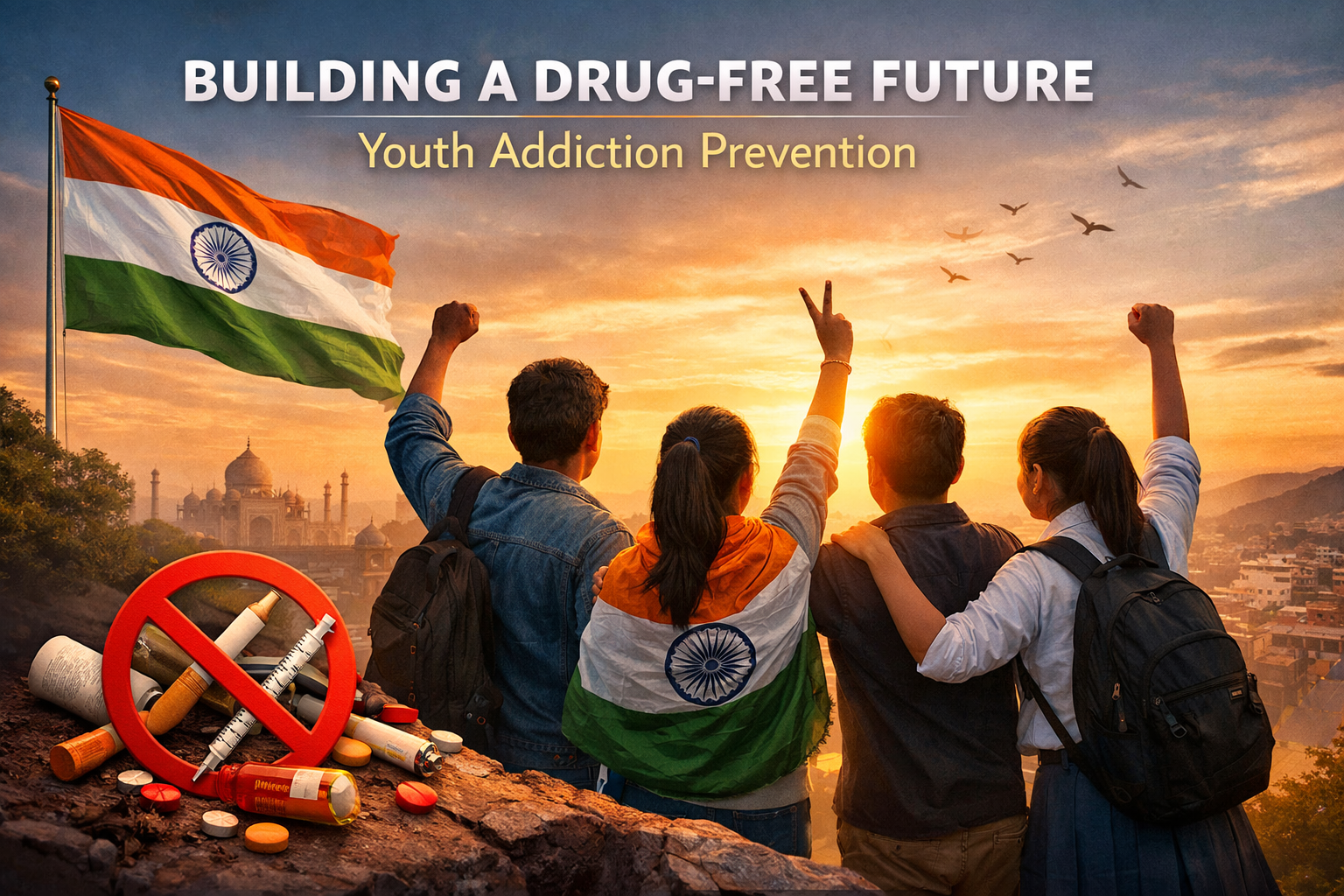
Building a drug-free society requires collaboration — individuals, families, educators, and organizations working together. Across India, campaigns and community programs demonstrate how awareness and rehabilitation efforts can transform lives and restore hope.
By spreading education, compassion, and empowerment, platforms like yours play a vital role in guiding individuals toward healthier and addiction-free living.
Conclusion
A drug-free future begins with awareness, prevention, and collective responsibility. Every informed conversation, supportive action, and educational initiative moves society closer to healthier communities. Together, we can empower individuals to choose well-being, resilience, and purpose over addiction.